
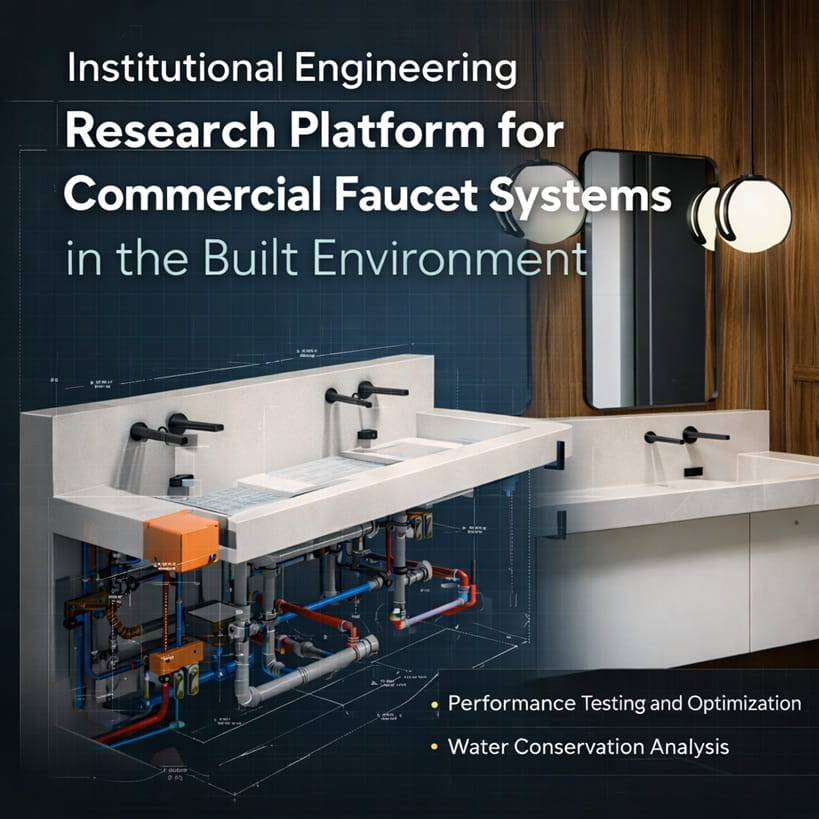
Institutional Engineering Research Platform for Commercial Faucet Systems in the Built Environment
This platform exists as a technical research publication dedicated to the engineering, performance characterization, and infrastructure integration of commercial bathroom faucet systems operating in high-traffic architectural environments. These include transportation hubs, healthcare facilities, higher education institutions, hospitality buildings, stadiums, and mixed-use commercial developments.
Commercial faucets are not treated here as consumer products or retail fixtures, but as hydraulic terminal control devices operating at the interface between the potable water distribution system and human-machine interaction layers.
Within the Architectural, Engineering, and Construction discipline, these devices represent a convergence of fluid mechanics, embedded electronic control systems, reliability engineering, plumbing code compliance, infection control engineering, facilities lifecycle management, and sustainability engineering.
This publication examines these systems through measurable engineering performance, infrastructure coordination, and system-level reliability modeling.
Primary Governing Engineering Frameworks
Primary governing frameworks referenced throughout this platform include established plumbing codes, engineering standards, sustainability specifications, and performance requirements governing commercial plumbing fixtures and infrastructure systems.
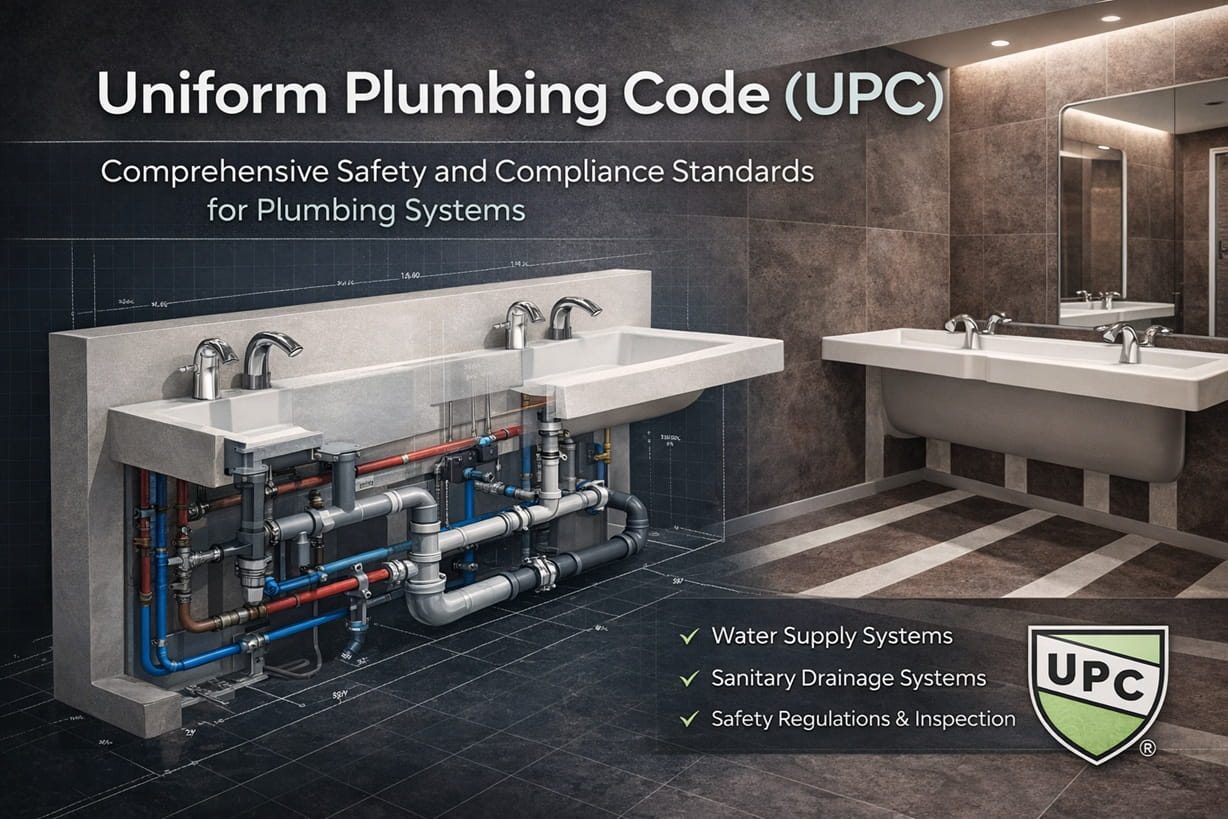
Uniform Plumbing Code (UPC)
The Uniform Plumbing Code defines engineering design requirements for plumbing systems, including fixture performance, discharge flow regulation, and infrastructure safety requirements.
Uniform Plumbing Code (UPC)
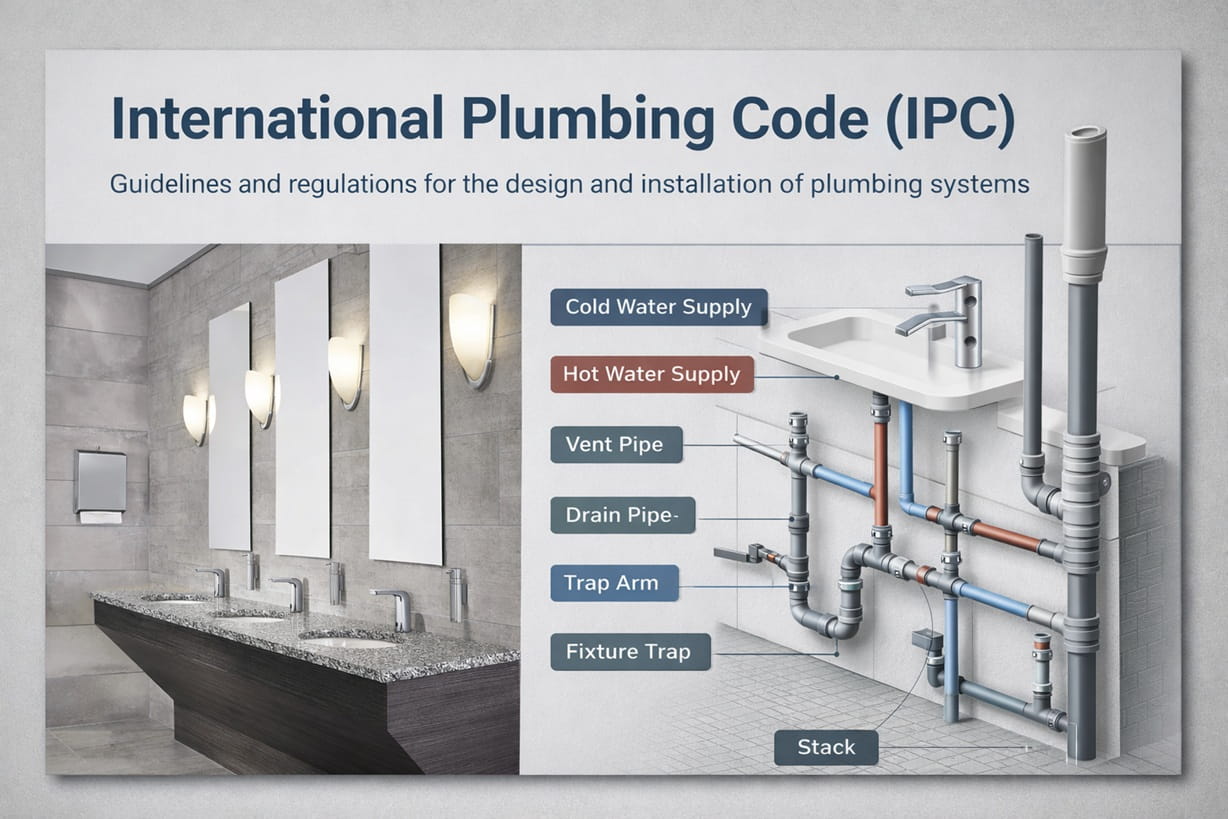
International Plumbing Code (IPC)
The International Plumbing Code establishes engineering standards for fixture unit demand modeling, hydraulic infrastructure sizing, and plumbing system performance compliance.
International Plumbing Code (IPC)
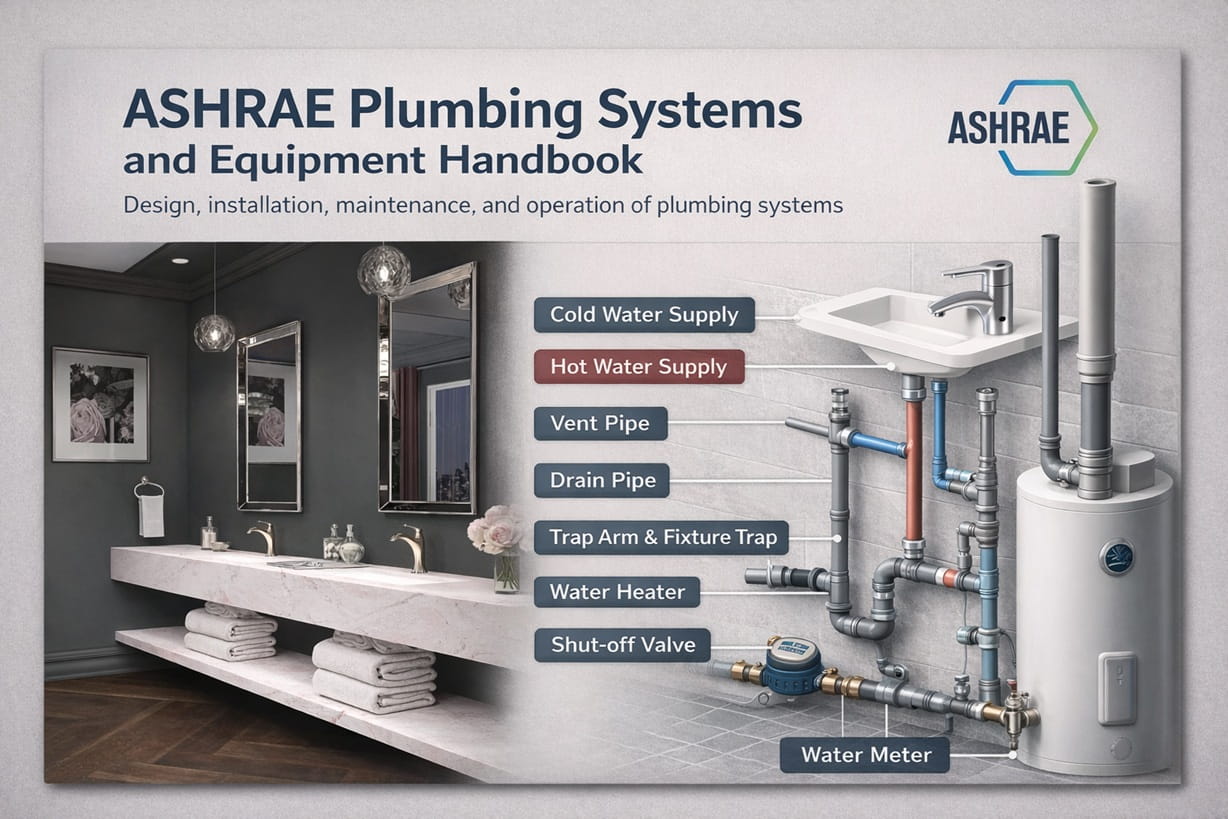
ASHRAE Plumbing Systems and Equipment Handbook
ASHRAE provides engineering guidance on plumbing system design, performance analysis, risk management, and infrastructure coordination.
ASHRAE Plumbing Systems and Equipment Handbook
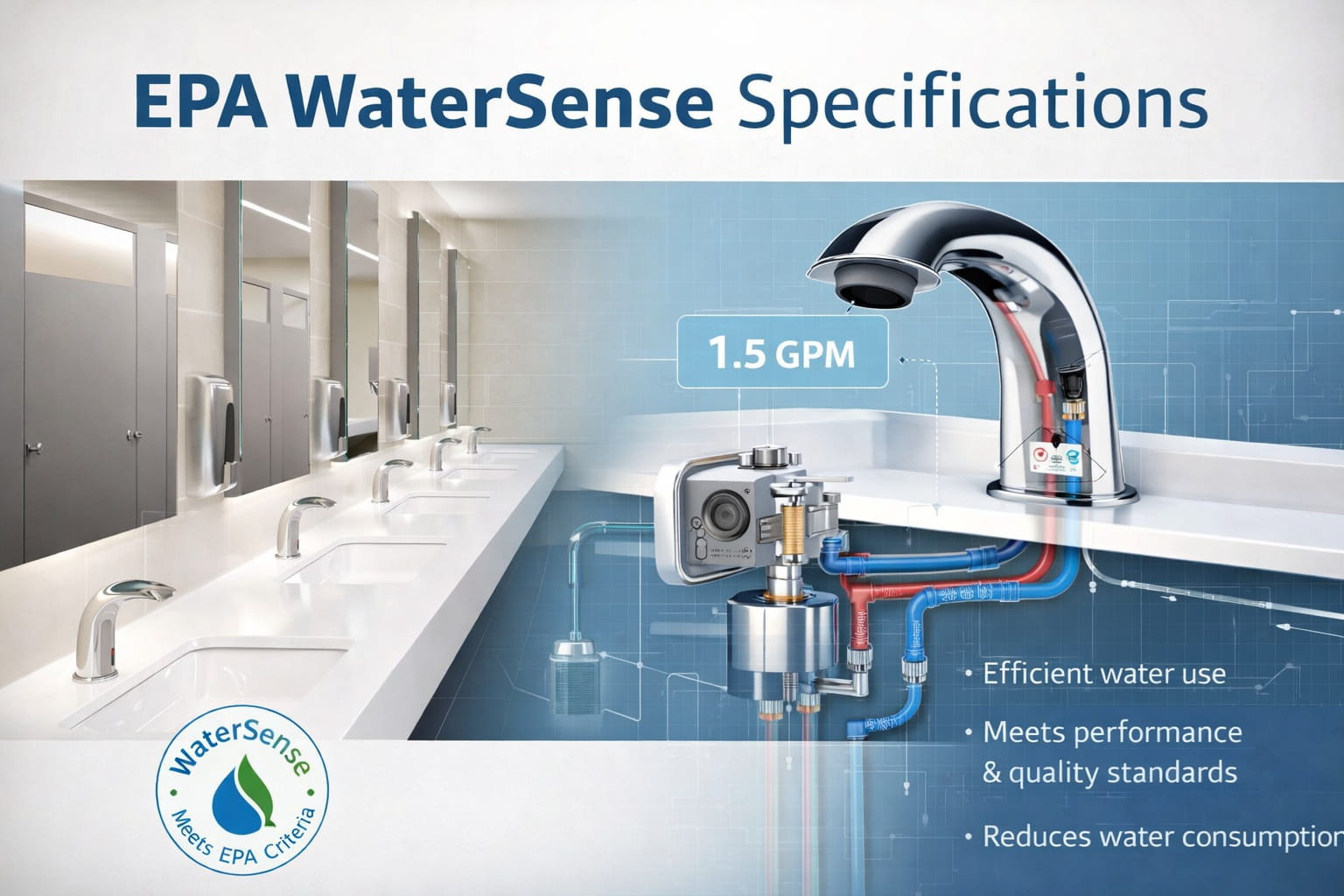
EPA WaterSense Specifications
EPA WaterSense defines engineering performance requirements for water conservation, discharge limits, and infrastructure sustainability compliance.
EPA WaterSense Specifications
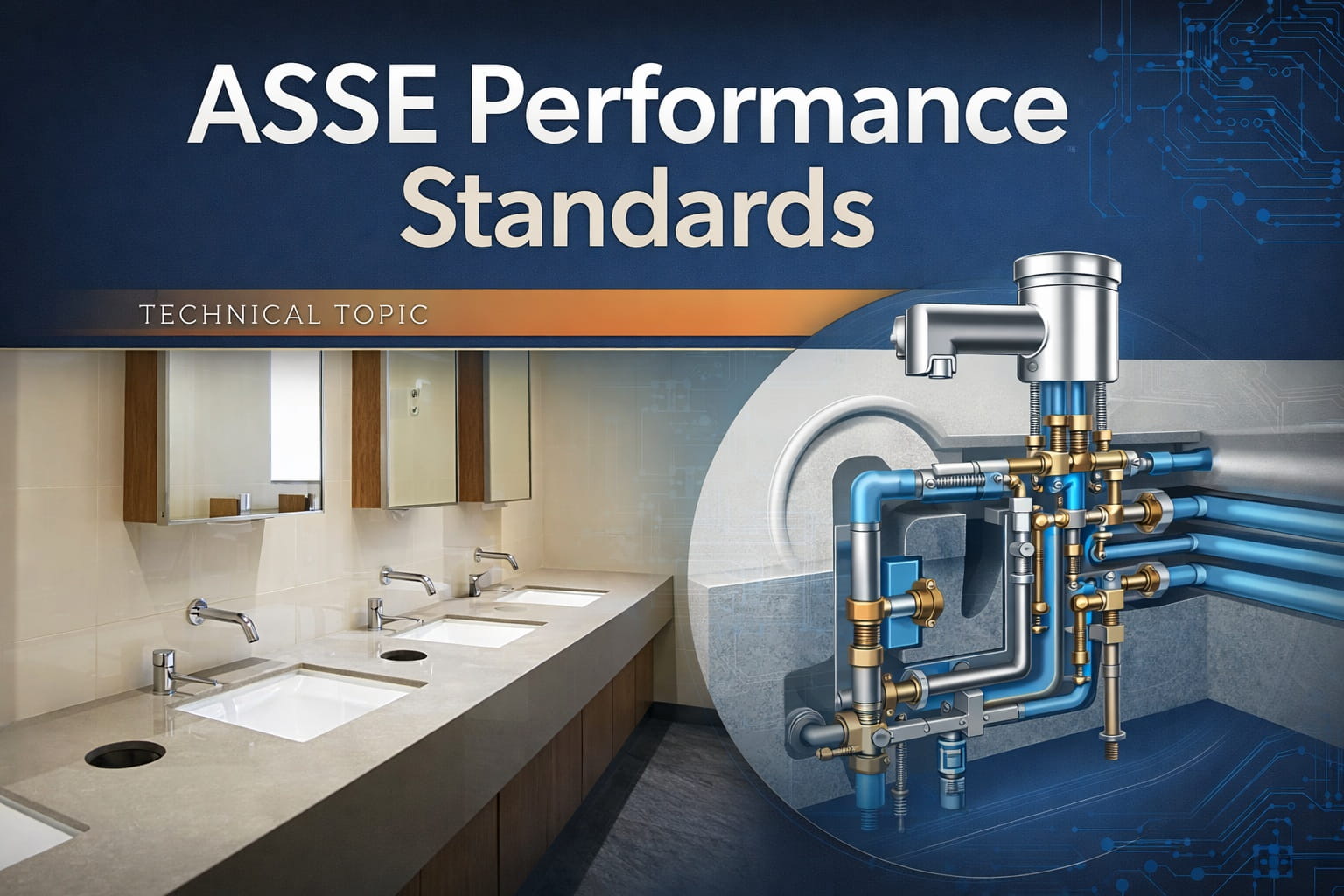
ASSE Performance Standards
ASSE establishes engineering performance standards governing plumbing fixture safety, backflow prevention, temperature control, and system reliability.
ASSE Performance Standards
Engineering Scope and Technical Coverage Domain
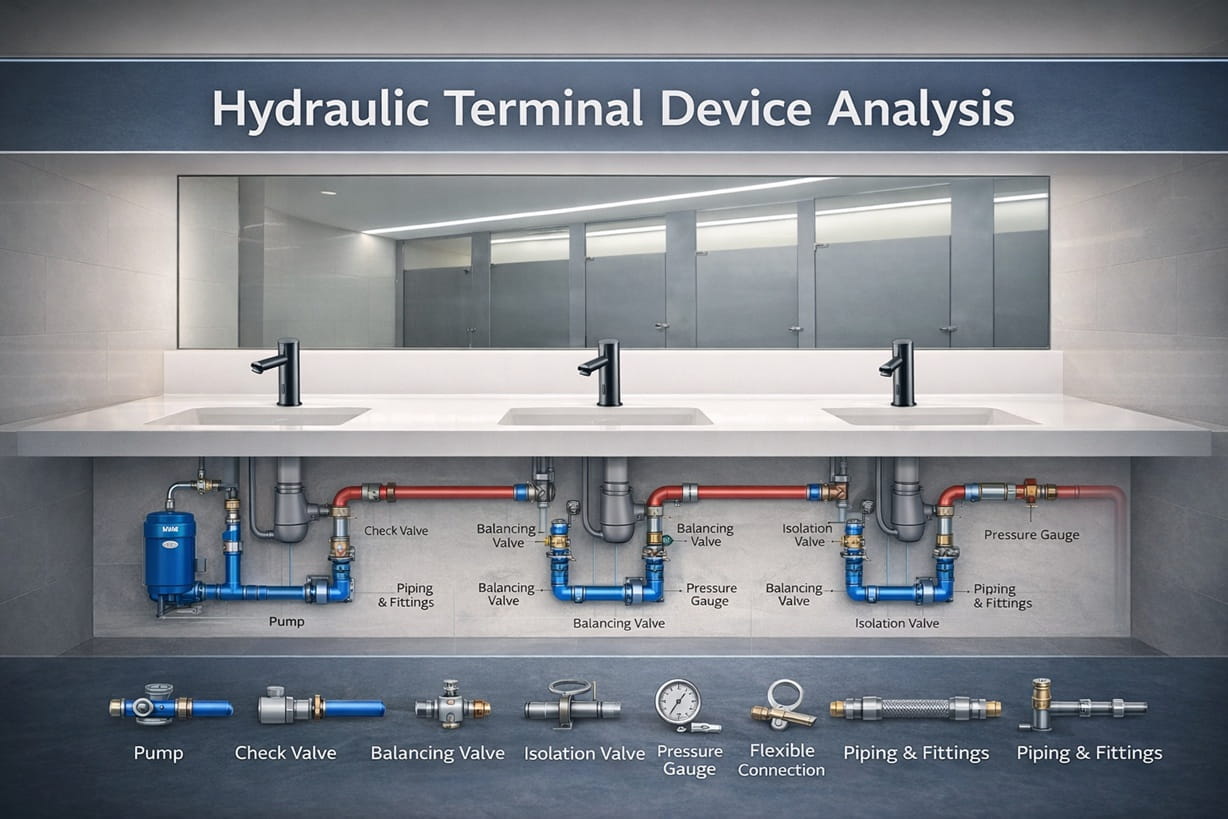
Hydraulic Terminal Device Analysis
Commercial faucets represent terminal hydraulic control nodes that regulate discharge flow under varying upstream pressure regimes. These systems must maintain performance stability under fluctuating supply pressures caused by pump cycling, vertical elevation head variation, demand simultaneity effects, pressure reducing valve operation, and thermal expansion and contraction effects.
The governing flow equation applied to faucet discharge:
Q = Cd × A × √(2ΔP / ρ)
Q = volumetric flow rate
Cd = discharge coefficient
A = effective outlet area
ΔP = pressure differential
ρ = water density
Reference:
Flow and Discharge Coefficients Engineering Reference
Fixture Unit Demand Modeling and Infrastructure Load Behavior
Commercial lavatory faucets are modeled using probabilistic demand modeling derived from Hunter’s Curve methodology. Unlike deterministic residential systems, commercial systems operate based on stochastic usage patterns.
Fixture unit values per IPC:
Public lavatory faucet: 0.5 fixture units
This modeling governs pipe sizing, pump capacity selection, pressure zone design, and storage tank sizing.
Reference:
International Plumbing Code Fixture Unit Table
Sensor-Activated Faucet Control Systems and Embedded Electronics Engineering
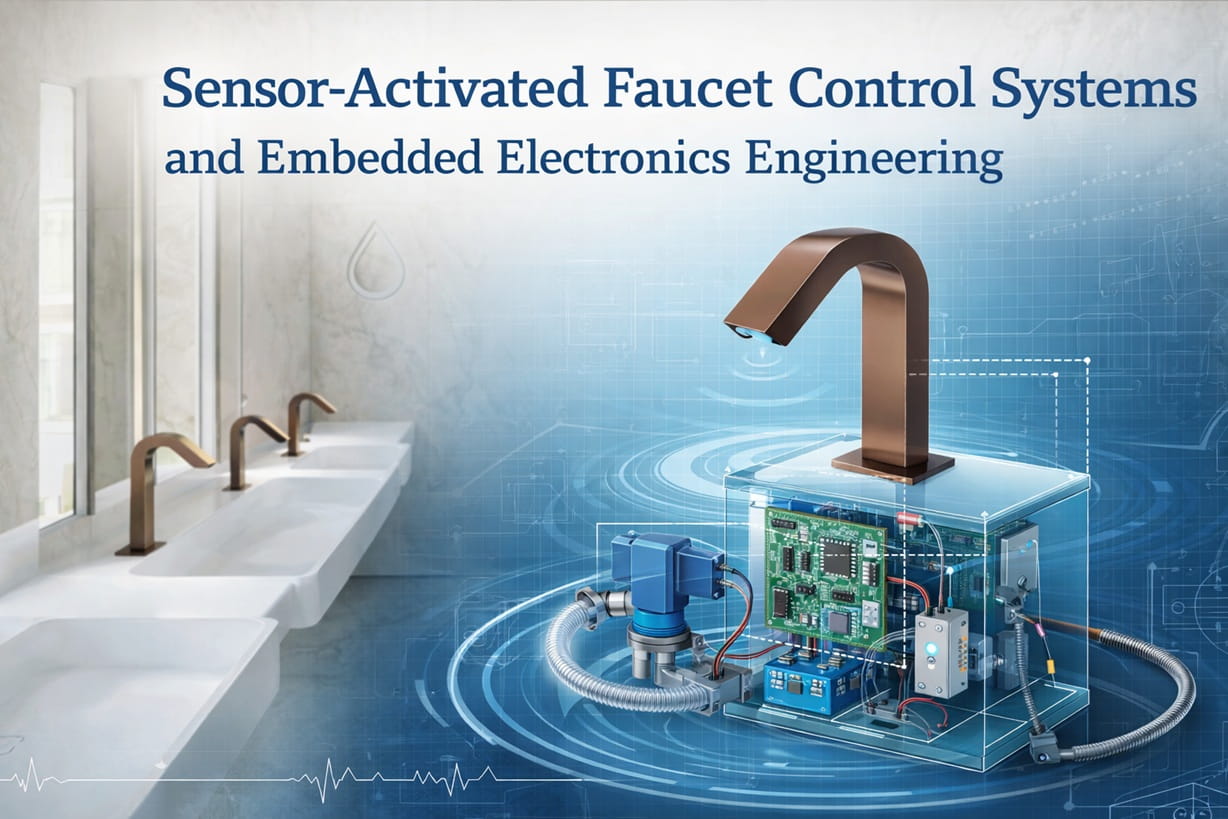
Sensor faucets represent embedded control systems composed of infrared emitter and receiver assemblies, microcontroller processing units, solenoid-actuated valve assemblies, and voltage regulation and power management systems.
Infrared sensor operation is based on reflective signal detection.
Infrared emitter and receiver assemblies
Microcontroller processing units
Solenoid-actuated valve assemblies
Voltage regulation and power management systems
Reference:
Infrared Sensor Engineering Application Guide
Solenoid valve actuation is governed by electromagnetic force equations:
F = (N × I × B × A)
Reference:
IEEE Electromechanical Systems Engineering Reference
Research Methodology and Analytical Framework
Performance Evaluation Metrics
This platform evaluates faucet systems using quantifiable engineering metrics including:
Flow rate stability under dynamic pressure conditions
Response time of sensor activation systems
Solenoid valve cycle durability
Seal wear resistance
Mineral scale resistance in hard water environments
Thermal stability and mixing valve performance
Reliability Engineering and Lifecycle Performance Modeling
Reliability modeling is conducted using Weibull distribution analysis.
R(t) = exp[−(t/η)β]
Where:
η = characteristic life
β = shape parameter indicating failure mode
Solenoid Valve Lifecycle Expectancy
Solenoid valve lifecycle expectancy ranges between:
500,000 to 2,000,000 cycles depending on material and design
Failure Mode Engineering Analysis
Reliability analysis evaluates failure probability, degradation patterns, and operational lifecycle performance under real-world infrastructure conditions.
Engineering Case Studies and Manufacturer Reference Systems
This platform conducts technical analysis using publicly available engineering specifications, installation manuals, and performance data from established commercial fixture manufacturers. These references are used for performance benchmarking and engineering evaluation only.
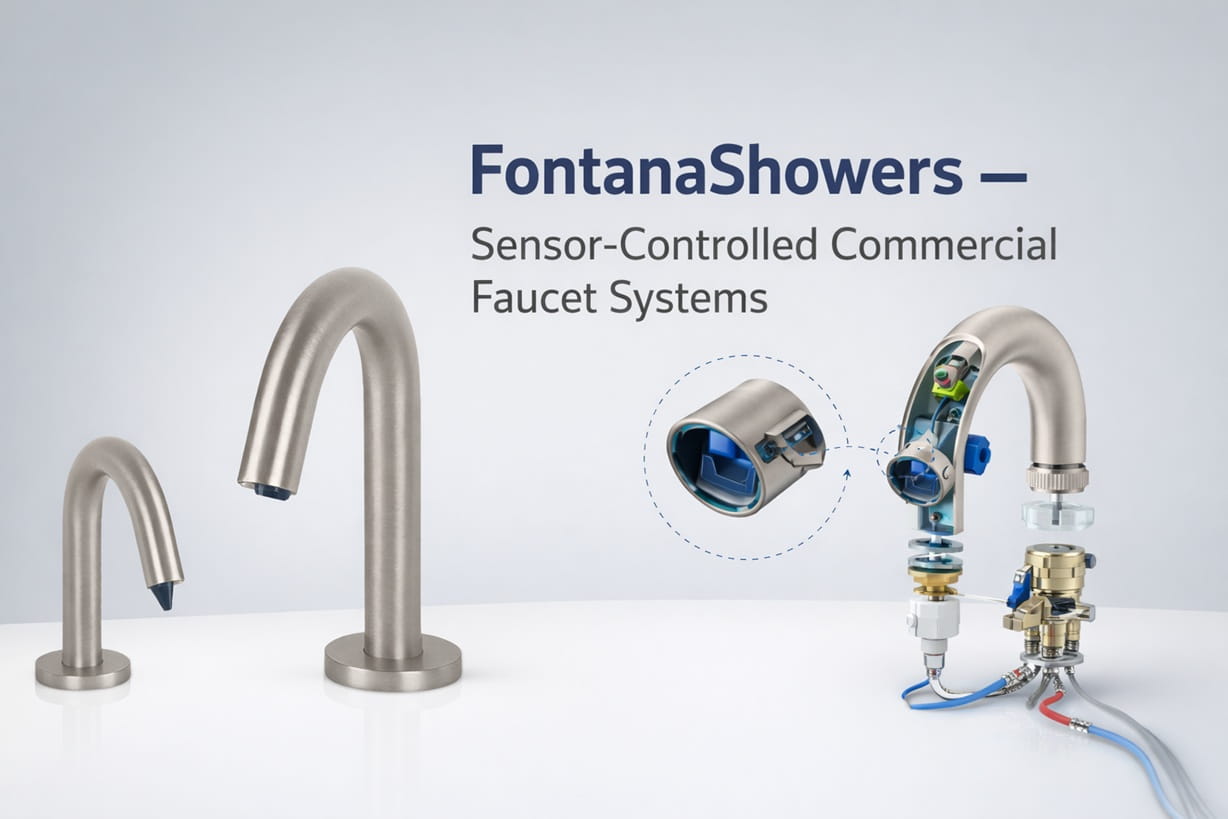
FontanaShowers — Sensor-Controlled Commercial Faucet Systems
Solid brass body construction with chrome plating
Infrared sensor detection range optimized between 70–150 mm
Integrated solenoid valve rated for high-cycle applications
Designed operating pressure range: 10 psi to 125 psi
Infrared sensor detection range optimized between 70–150 mm
Integrated solenoid valve rated for high-cycle applications
Designed operating pressure range: 10 psi to 125 psi
Engineering significance:
These units demonstrate typical solenoid-actuated flow control systems used in airports and healthcare environments.
FontanaShowers Commercial Faucet Engineering Reference
These units demonstrate typical solenoid-actuated flow control systems used in airports and healthcare environments.
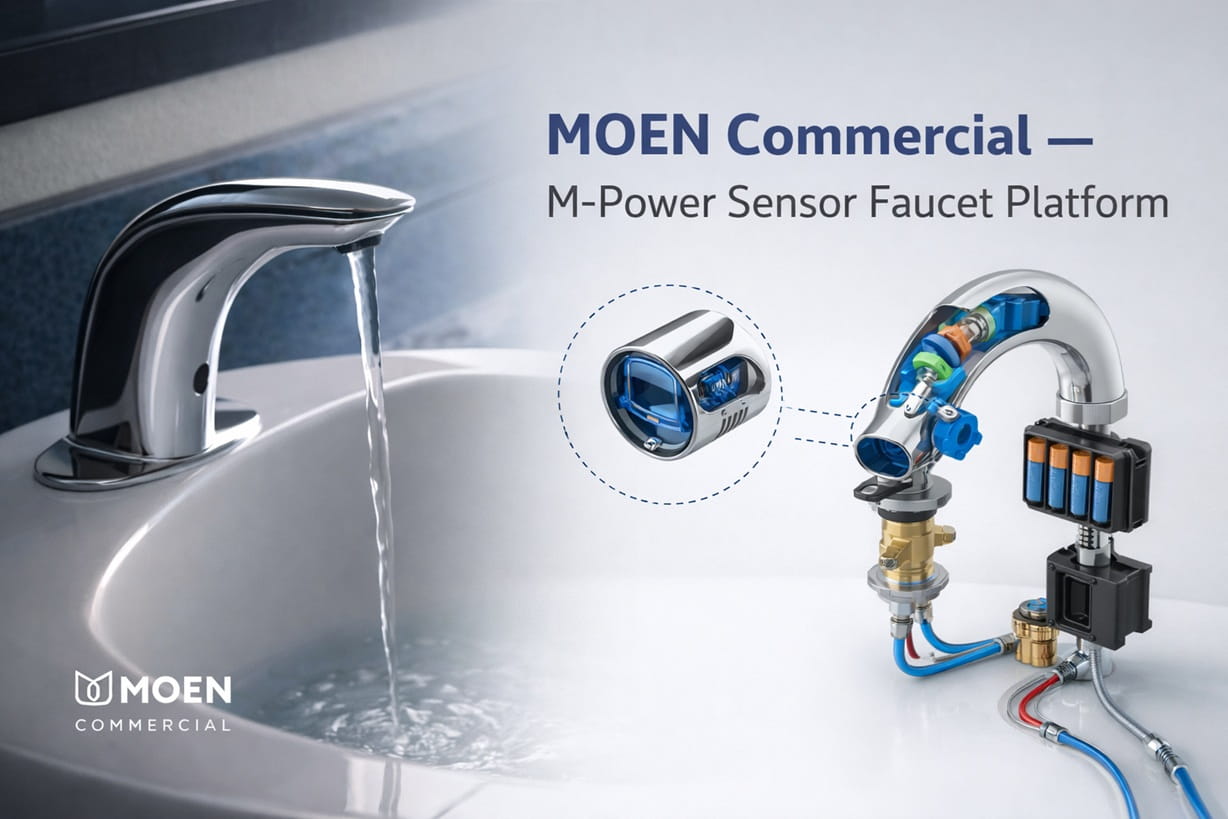
MOEN Commercial — M-Power Sensor Faucet Platform
Advanced microprocessor-based sensor control
Self-adaptive sensing technology
Vandal-resistant construction
Battery and AC hybrid power architecture
Self-adaptive sensing technology
Vandal-resistant construction
Battery and AC hybrid power architecture
Engineering relevance:
MOEN systems demonstrate adaptive sensor calibration algorithms that compensate for environmental reflectivity variation.
MOEN M-Power Sensor Faucet Engineering Platform
MOEN systems demonstrate adaptive sensor calibration algorithms that compensate for environmental reflectivity variation.

Delta Faucet Company — Commercial Electronic Faucet Systems
Diamond Seal Technology valve design
Integrated flow control devices
Advanced sensor activation systems
Integrated flow control devices
Advanced sensor activation systems
Engineering significance:
Delta’s valve sealing technology reduces leakage failure probability by minimizing frictional wear.
Delta Commercial Electronic Faucet Engineering Systems
Delta’s valve sealing technology reduces leakage failure probability by minimizing frictional wear.
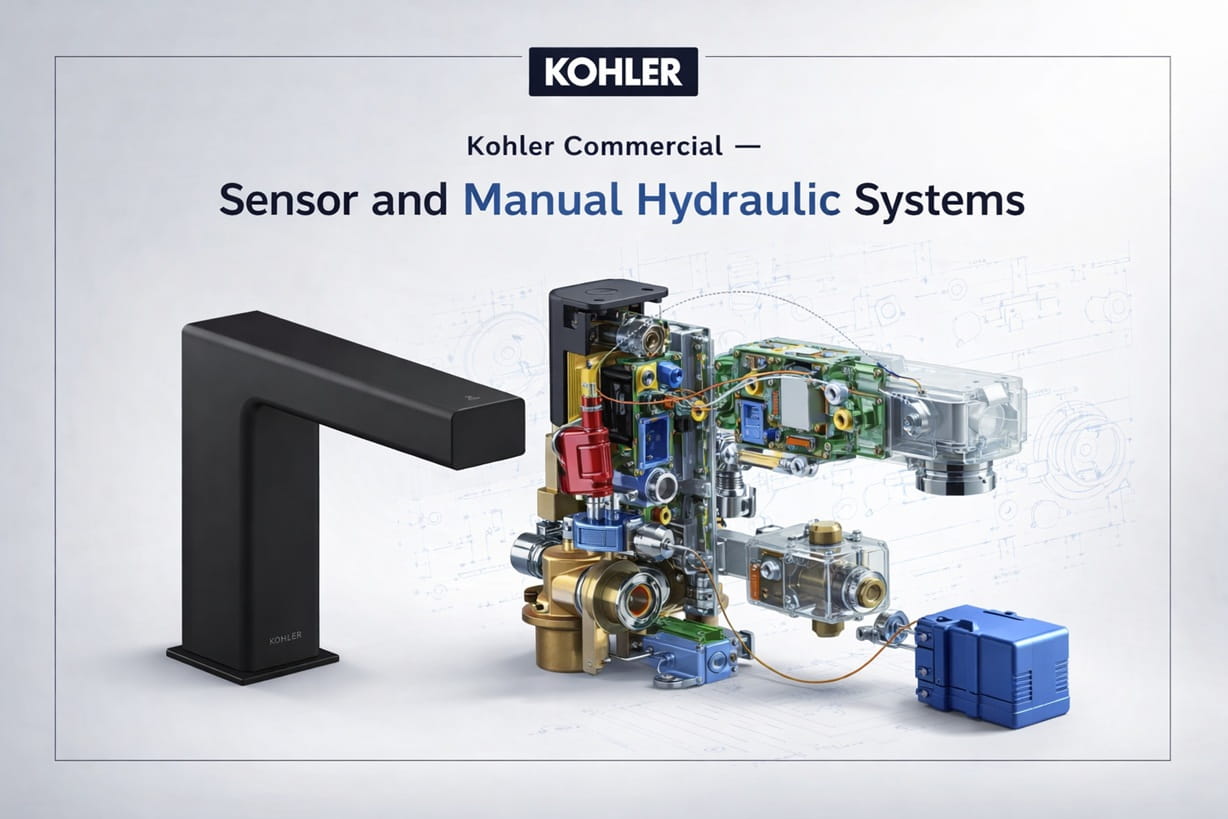
Kohler Commercial — Sensor and Manual Hydraulic Systems
Integrated temperature control systems
High-cycle solenoid valves
Electronic flow monitoring capability
High-cycle solenoid valves
Electronic flow monitoring capability
Engineering relevance:
Thermally stable mixing control suitable for healthcare environments.
Kohler Commercial Faucet Engineering Systems
Thermally stable mixing control suitable for healthcare environments.

American Standard Commercial Faucets
Programmable sensor activation
Integrated safety shutoff
Water conservation compliant design
Integrated safety shutoff
Water conservation compliant design
Engineering relevance:
Widely deployed in institutional and healthcare infrastructure.
American Standard Commercial Faucet Engineering Reference
Widely deployed in institutional and healthcare infrastructure.

BathSelect Commercial Faucet Systems
Commercial-grade brass construction
Sensor-activated solenoid valve assembly
Pressure tolerance up to 125 psi
Sensor-activated solenoid valve assembly
Pressure tolerance up to 125 psi
Engineering relevance:
Representative of commercial systems deployed in hospitality and transportation facilities.
BathSelect Commercial Faucet Engineering Systems
Representative of commercial systems deployed in hospitality and transportation facilities.
Additional Manufacturer Engineering Systems
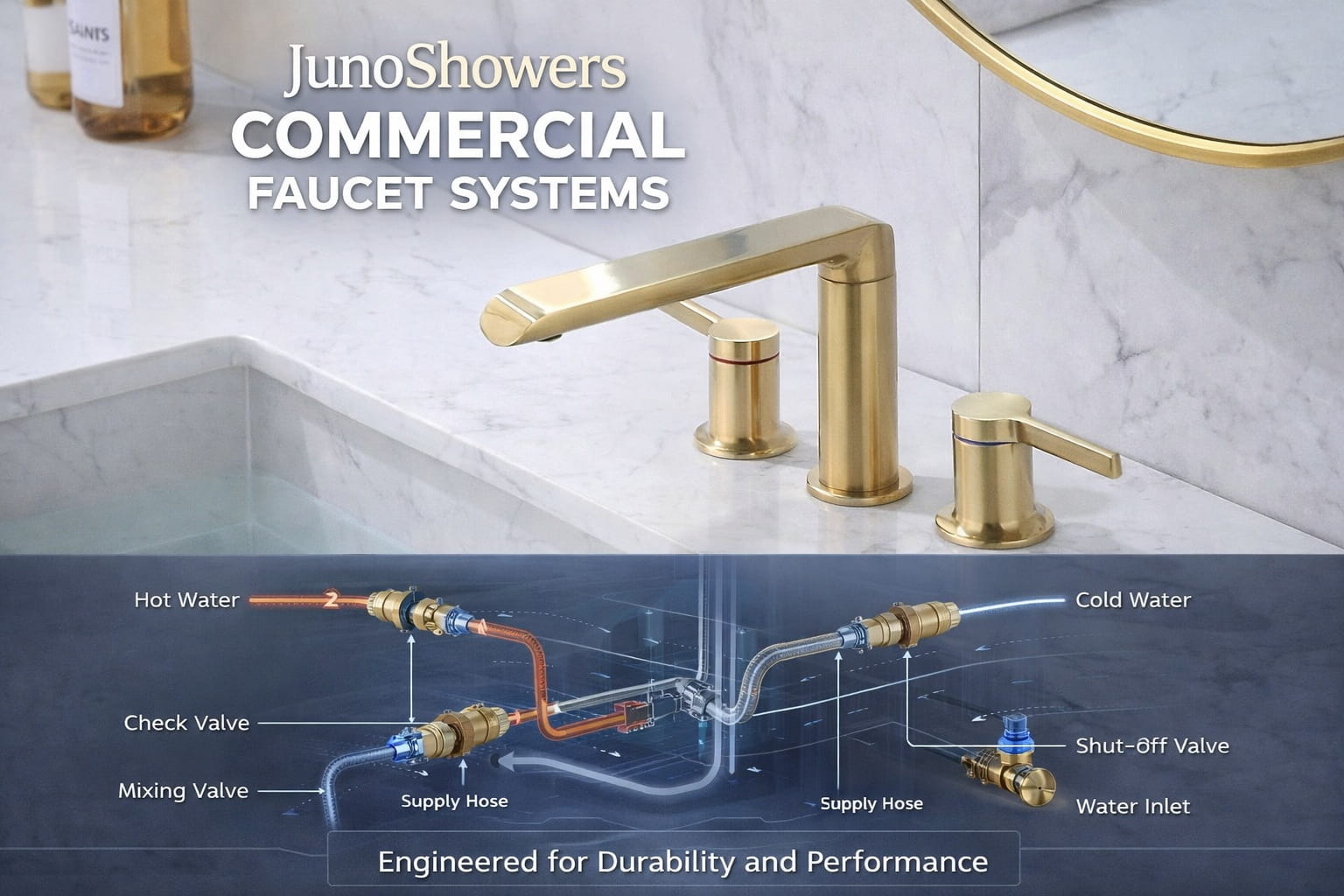
JunoShowers Commercial Faucet Systems
Specializes in sensor-activated plumbing fixtures with commercial-grade control systems.
Engineering relevance:
Representative of modern embedded control plumbing systems used in institutional environments.
JunoShowers Commercial Faucet Engineering Systems
Representative of modern embedded control plumbing systems used in institutional environments.
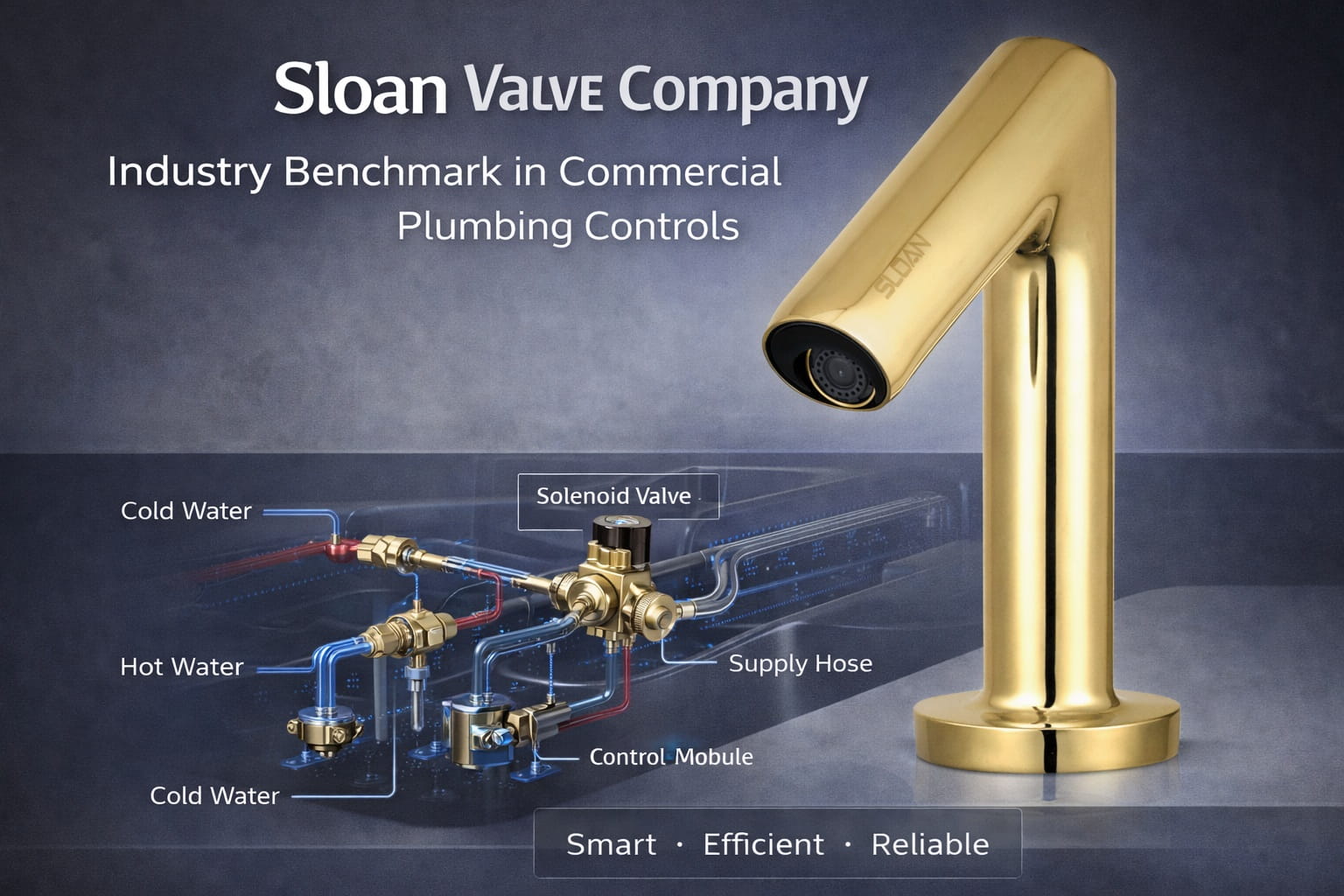
Sloan Valve Company — Industry Benchmark in Commercial Plumbing Controls
One of the most widely deployed manufacturers in institutional plumbing.
Engineering relevance:
Highly optimized for durability, maintenance efficiency, and infrastructure-scale deployment reliability.
Sloan Commercial Faucet Engineering Systems
Highly optimized for durability, maintenance efficiency, and infrastructure-scale deployment reliability.
Architectural and Infrastructure Integration Considerations
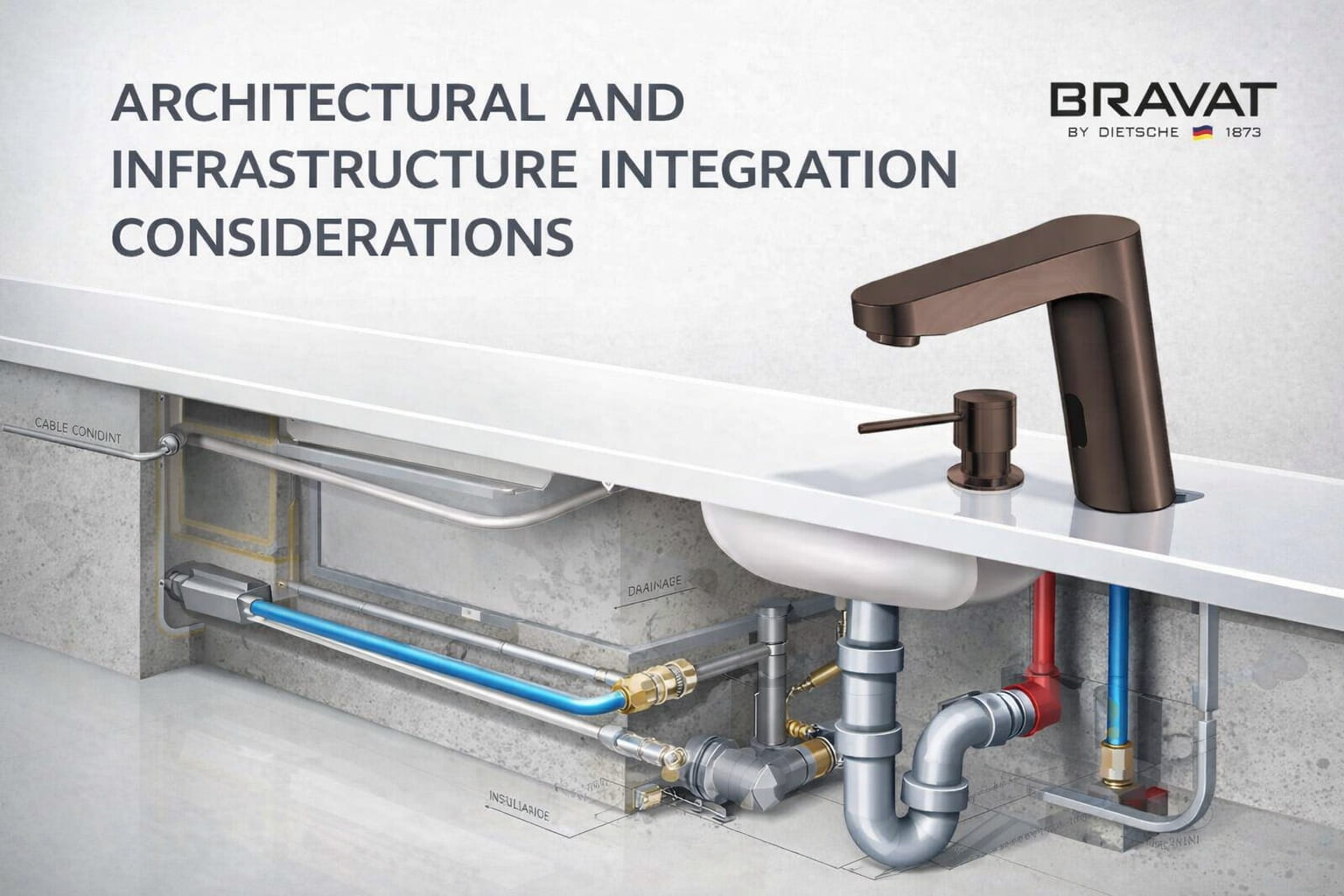
Plumbing System Coordination
Commercial faucet integration requires coordination with domestic water distribution piping, hot water recirculation systems, pressure regulation systems, and backflow prevention systems.
Domestic water distribution piping integration
Hot water recirculation system coordination
Pressure regulation system integration
Backflow prevention system integration
Electrical and Control System Integration
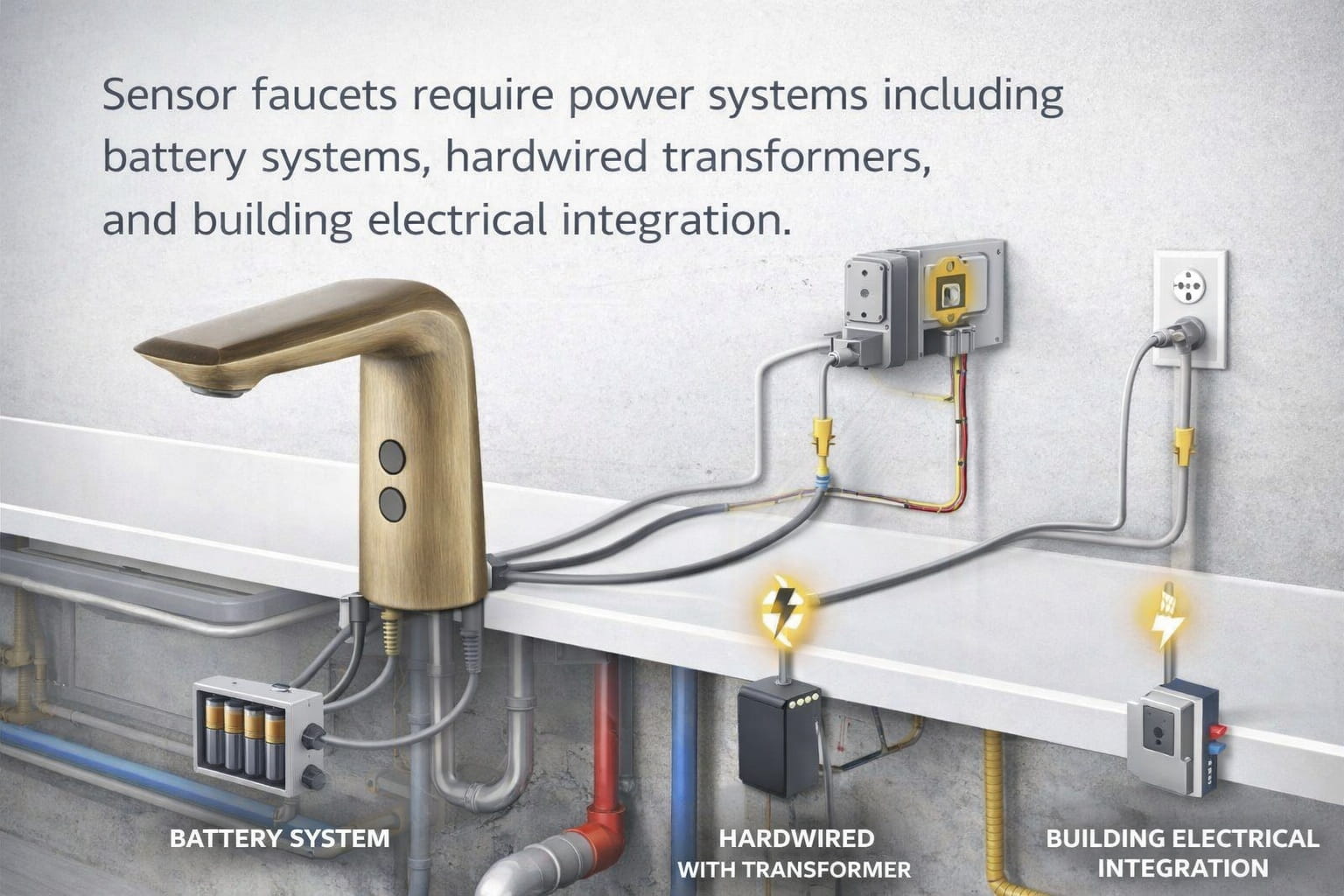
Sensor faucets require power systems including battery systems, hardwired transformers, and building electrical integration.
Battery-powered embedded control systems
Transformer-powered electrical integration
Building electrical infrastructure coordination
Structural and Architectural Interface
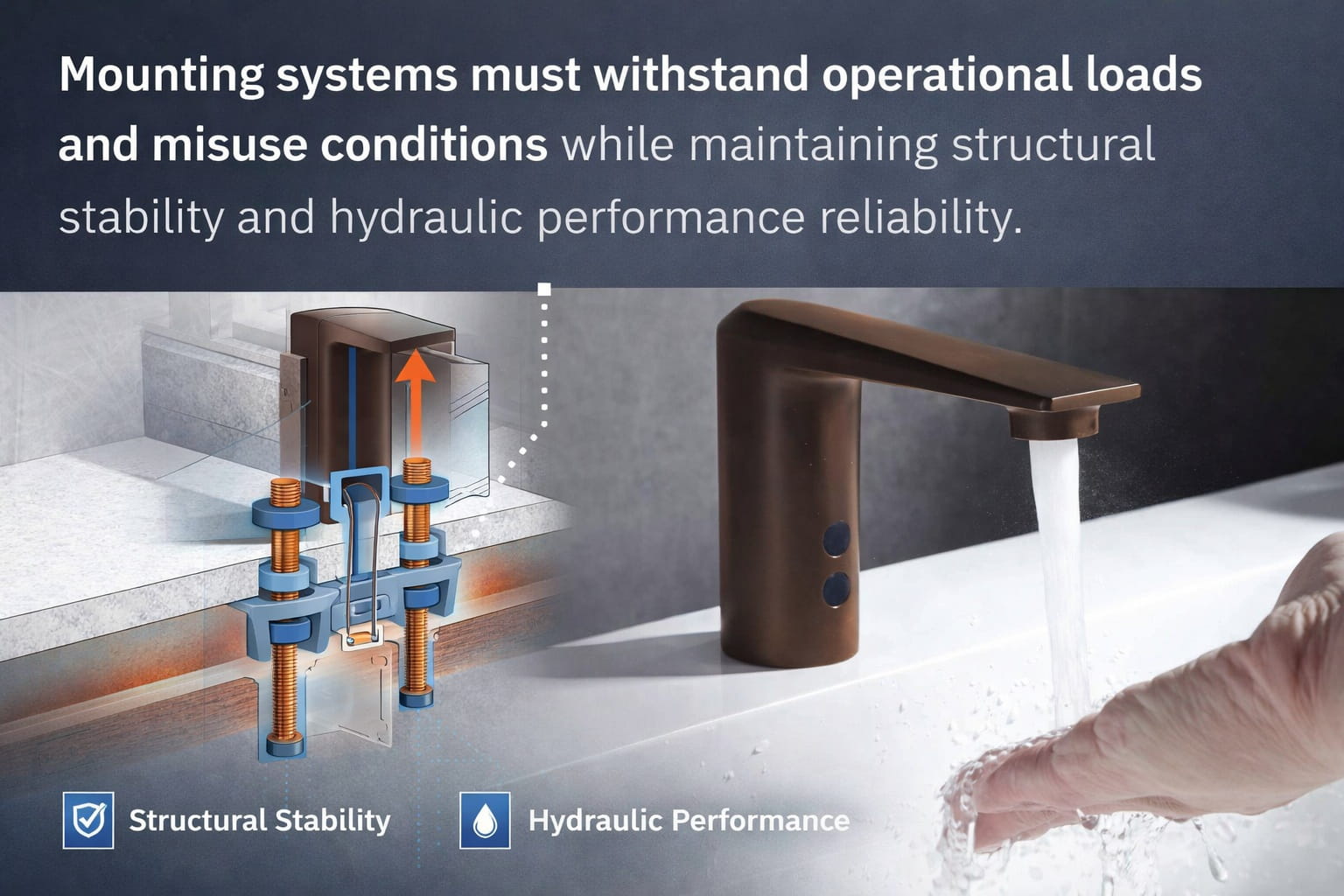
Mounting systems must withstand operational loads and misuse conditions while maintaining structural stability and hydraulic performance reliability.
Facilities Engineering, Maintenance, and Lifecycle Management
Maintenance intervals depend on water quality, usage frequency, and material composition.
Reference:
ASHRAE Facilities Maintenance Engineering Guidelines
Reference:
ASHRAE Facilities Maintenance Engineering Guidelines
Failure Mode Analysis
Solenoid fatigue
Seal degradation
Sensor failure
Mineral accumulation
Sustainability Engineering and Water Efficiency Modeling
Commercial faucets are critical components in water conservation.
EPA WaterSense standard:
Maximum flow rate: 0.5 GPM
These systems contribute to LEED certification, building sustainability targets, and operational efficiency.
Reference:
EPA WaterSense Water Efficiency Engineering Standard
EPA WaterSense standard:
Maximum flow rate: 0.5 GPM
These systems contribute to LEED certification, building sustainability targets, and operational efficiency.
Reference:
EPA WaterSense Water Efficiency Engineering Standard
Institutional and Infrastructure Contexts Studied

Airports

Hospitals

Universities
Engineering Mission and Research Commitment
This platform exists to provide independent engineering analysis, technical research coverage, infrastructure integration analysis, reliability engineering evaluation, and system performance modeling.
This publication serves architects, plumbing engineers, MEP consultants, facilities engineers, building scientists, and infrastructure researchers.
All research is conducted from an engineering, infrastructure, and systems integration perspective.
No commercial promotion, product sales, or marketing activities are conducted.
This platform exists solely for engineering research, technical education, and infrastructure performance analysis.